
Founding Year: 2018
Group Size: 4104
Location: Germany
Nia, a single mother living in southern Germany, was in trouble.1 The new mother suspected her newborn had an infection, but had no way of accessing medical care. Nia logged onto Facebook and posted a plea for help to other members of the African Mums in Deutschland (AMD) community, a support group for women of African descent in Germany.2 A group moderator who is also a nurse volunteered to help. She drove three hours to check on the child, and to bring them to a clinic where the child could safely receive medical care.
In a country where immigration is a contentious political issue and racism happens in daily life, Maame Dentaa Amoo created African Mums in Deutschland (AMD) to share what she had learned living in Germany as a Ghanian immigrant and as a new mother. The group defines itself as: “A place for women to be able to get information about education, career, child care, laws and life in general in Germany….to share our stories and network.”
In 2016, Amoo started an English-language blog called African Mummy in Deutschland to write about her experiences adapting to life in Germany as an immigrant from Ghana. She soon realized that the blog could help other women who were trying to navigate the German bureaucracy, and beyond that, adjust to life in their new country, especially with children. “I think anybody would struggle in Germany because of the strictness of the laws and the regulations and the amount of appointments,” Amoo told us. “It's a totally different culture.”
In August 2018, Amoo created a private Facebook group called African Mummies in Deutschland to engage with the community that had been built around the blog and enable a two-way conversation. Each week the group discussed a different challenge or topic -- from learning the language to navigating the educational system to dealing with racism in Germany. As of October 2020, the group (now known as African Mums in Deutschland) has 4,104 members. The community is also active on a public Facebook Page, where the moderators publish additional resources, news, and activities. To recruit new members, the public African Mums in Deutschland page frequently encourages people to join the African Mums in Deutschland private group. Amoo also promotes the group through her blog and other social channels.
Most of AMD’s members are women from English-speaking African countries such as Ghana, Cameroon, Kenya, Nigeria, and Uganda. However, the group has members from throughout the Black diaspora, including women originally from the United States and Guyana. Members live in all parts of Germany and in German-speaking communities of neighboring countries such as Austria, Switzerland, and the Netherlands. While women of all faiths and backgrounds are welcome, no men are allowed and the group is intended specifically to offer a safe space for women of African descent.
The women who participate in African Mums in Deutschland say it offers them a support network of people who have faced, or are facing, similar challenges in being a parent in Germany. In addition to sharing resources about work and school, the group “promote[s] self-love, self-care, and healing among women of African descent in Germany.”
In a country where Africans rarely enjoy political power (among the 709 seats in the Bundestag, only one is held by a person of African descent) Amoo and seven other administrators (admins) and moderators govern the group. Each moderator has a unique skill or passion that makes her well-suited to the task. For instance, one moderator speaks six languages and has a degree in psychology, which enables her to communicate well with the group members. Another moderator is a single mother, which helps her to empathize with single mothers in the group, anticipate their questions and share relevant information. also runs a WhatsApp group for members in Hamburg so that mothers are able to connect with others in their local community face-to-face and exchange advice specific to navigating opportunities and impediments in the northern German city.
Amoo screens potential moderators rigorously. They have to complete a questionnaire about their leadership qualities. Amoo looks for people who are empathetic, will continue to be active in the group, and are mature enough to handle the responsibilities that come with being a group leader and responding to issues like racism, domestic violence and immigration concerns. New moderators have to sign a contract that requires them to abide by the group’s rules and regulations, such as the requirement not to share any sensitive information that group members may share with them and to protect participant privacy. The existing moderation team trains new moderators to take a kindness-first approach to interacting with group members, even when someone has broken the rules. “The truth, no matter how it is, can be dressed up kindly,” Amoo told us. “It doesn’t have to be harsh.”
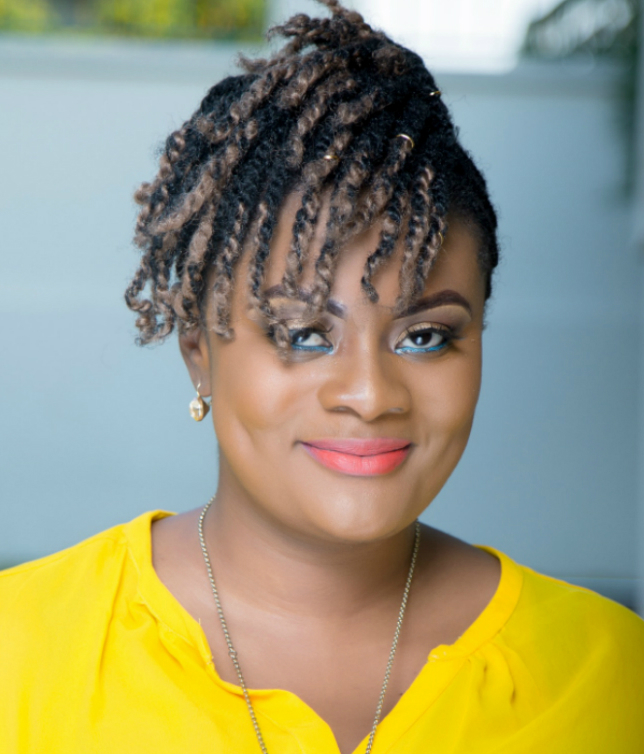
Figure 1: Maame Dentaa Amoo created the African Mums in Deutschland Facebook group in 2018. Photo courtesy of Maame Dentaa Amoo.
The group’s rules are designed to minimize cultural barriers that would otherwise prevent members, who come from all across Africa and other countries, from connecting with one another. For instance, Amoo says that the group forbids religious posts “because Africans are very divided along religious lines.” Likewise, while the group’s members speak many languages, posts may only be written in English or German so that members can understand one another. To encourage women to feel safe sharing their personal stories, members are forbidden from sharing others’ stories outside of the group. Those who habitually break the rules are muted (meaning that they are unable to post or comment on the group) or removed from the group.
The group also has rules to encourage members to support one another and to discourage bullying and unkind behavior. “We’re very strict on victim blaming and on questioning people’s experiences,” Amoo says. Moderators must approve posts to ensure they comply with the group’s rules, and they delete comments that they find to be in violation of the rules. These practices have helped to prevent rule-breaking, since members know that their posts or comments will simply be removed if they violate the rules.
African Mums in Deutschland frequently hosts events such as online live Q&A’s, presentations, and interviews with experts on a variety of topics ranging from local politics to career and education advice to relationships and personal development.
These events are tailored to the group’s unique interests and experiences. For instance, in August 2020, a candidate for city council in Cologne, explained voter eligibility for the upcoming elections. In June, a medical doctor answered the group members’ questions on health issues faced by African women in Germany.
Within the group, discussions often start with Amoo or another group leader sharing her own experience on the topic at hand. For instance, in a discussion on the German education system, Amoo talked about enrolling her daughter in kindergarten, which she says involves much more homework (meaning more work for the parents) than in the Ghanian education system. Other mothers shared information about getting their children into Gymnasium (college preparatory secondary school), and eventually attending university.
Offline, AMD organizes events in which group members come together to share food and meet one another in person. In 2019, the group organized meet-ups in the cities of Düsseldorf and Frankfurt am Main. It is also common for members to organize their own meetups to make friends, especially when they first arrive in Germany or have moved to a new city. Amoo says that some of her best friends are people she met through AMD. For instance, over the holidays she went camping in Denmark with two women she connected with through the online group but had never met in-person before. “There’s been so many friendships created,” she says.
The group does not just connect new friends with one another but helps members in serious trouble. These include women who are vulnerable to exploitation, such as those who are undocumented or do not speak German well. “There are a lot of women who are in extremely abusive relationships, and don’t know what to do,” says Amoo. In one case, a member of AMD said she was in an emotionally abusive relationship, but was hesitant to go to the authorities. Members of AMD helped the woman to document her abuse, which helped her to separate from her abusive partner. In another case, members of the group helped a woman to connect with a charity and seek refuge in a women’s shelter to escape her abusive relationship. “Getting people out of abusive situations is the number one thing that I am so proud of,” Amoo says.
On a day-to-day basis, moderators or other members of the community will also offer language help to those who are not comfortable speaking German. They will make a phone call on someone’s behalf, or even accompany a member to an appointment at a government office to help translate.
In order to promote mutual aid and support, moderators have to create a culture and governance for the group that may differ from what people are used to from their real life communities. African Mums in Deutschland has faced significant challenges building a culture where members feel comfortable sharing their stories and supporting one another. “Ghanaian people, we're really, really secretive with our personal life,” Amoo says. “So there’s a lot of silent suffering in our community.” For instance, Amoo once received an insulting message from a group member after sharing a very personal story about her own mental health struggles, which caused Amoo to question the value of being so open. But her doubt was fleeting. “The good that comes out of sharing your personal experience is so much greater than the bad,” she told us.
When asked about hosting these intimate conversations on a private platform, Amoo did not raise concerns. While she says that privacy considerations are “always in the back of your head when you’re on the Internet,” she does not have any particular concerns about Facebook in this regard. Rather, she says that her larger concern is protecting the privacy of the group’s members. For instance, Amoo worries that a woman who speaks outside the group about an incident of abuse that she learns about online could be in danger of prosecution if the accused abuser challenges her story. Entanglement with the German legal system worries Amoo more than any privacy concerns related to Facebook’s operations.
AMD places the priority on helping members to learn German and become more independent. At present, members connect over Zoom or Messenger to teach one another the language. Amoo would like to develop a full online language course for members of AMD. As of October 2020, the group is running an online fundraiser to raise money to pay instructors. Amoo says that this initiative is especially important for women in abusive relationships, who often do not have the opportunity to and most need to take formal language classes to be able to navigate German culture independently. “When you come (to Germany) and you can’t speak the language, you have no help,” Amoo told us.
Another goal is to register African Mums in Deutschland as a charity so that it can raise funding for additional projects. For instance, AMD is raising money to create a helpline to enable members to understand how to access childhood education, higher education, and their legal rights under family and domestic violence laws. Moderators would respond to members’ questions or requests for help through an app in real-time. AMD would also like to raise money to offer professional group counseling for community members. This is another priority for Amoo, as she feels there is a lack of Black psychotherapists who can empathize with the challenges women in the community have faced.
