
Founding Year: 2018
Group Size: 1843194
Location: Global
On July 9, 2020, a university student logged into Facebook and posted a photo of her grandfather showing off a massive winter melon that he had grown in the backyard. “Please drop cute photos of your family’s members with their fruit of labor,” she wrote.
Members of the Subtle Asian Traits Facebook group rose to the occasion and flooded the post with photos of their own family members holding yams, melons, and other fruits and vegetables they had grown. As Subtle Asian Traits co-founder Tony Xie explains, “Asians like to grow their vegetables and trees, and also take very cute pictures with them, holding them like a little prized baby. We’ve seen really wholesome threads of many other people doing the same thing.”
Xie, a 19 year-old based in Melbourne, was part of a group of nine Chinese-Australian high school students who created Subtle Asian Traits (SAT) as a place to share memes and jokes about their experience as first and second generation immigrants growing up in non-Asian cultures. SAT grew quickly as the group’s sense of humor caught on with young people of Asian descent around the world. Two years since its founding, the group has grown to more than 1.8 million members.1
The Subtle Asian Traits Facebook group was created in September 2018 by a group of friends who had spent weekends together at Chinese language school. According to the group’s website, the founders saw a “gap in the internet for a place where all Asians could personally share their shared experiences in a light-hearted format without judgement.”2 The name is a reference to Subtle Private School Traits, a now-defunct Facebook Group where students and ex-students shared memes about their experiences attending Australian private schools.
By December 2018, the group had gained more than a million members, as well as coverage by media outlets including the New York Times, BBC, The Atlantic, and The New Yorker magazine. This rapid growth made SAT’s founders realize they needed to put a goal down in writing: “Our mission is to connect Asian individuals globally to create a community that celebrates the similarities and differences within the subtle traits of Asian culture and subcultures.”
Tony Xie says that the group’s content resonates with young people of Asian descent, who often struggle to find others who share their experience at school or in other in-person communities. It allows them to create a majority Asian cultural community for people living in the Asian diaspora. As the online group took off, Xie and the other moderators were “amazed that there were just so many people that could all have had a kind of similar experience growing up.”
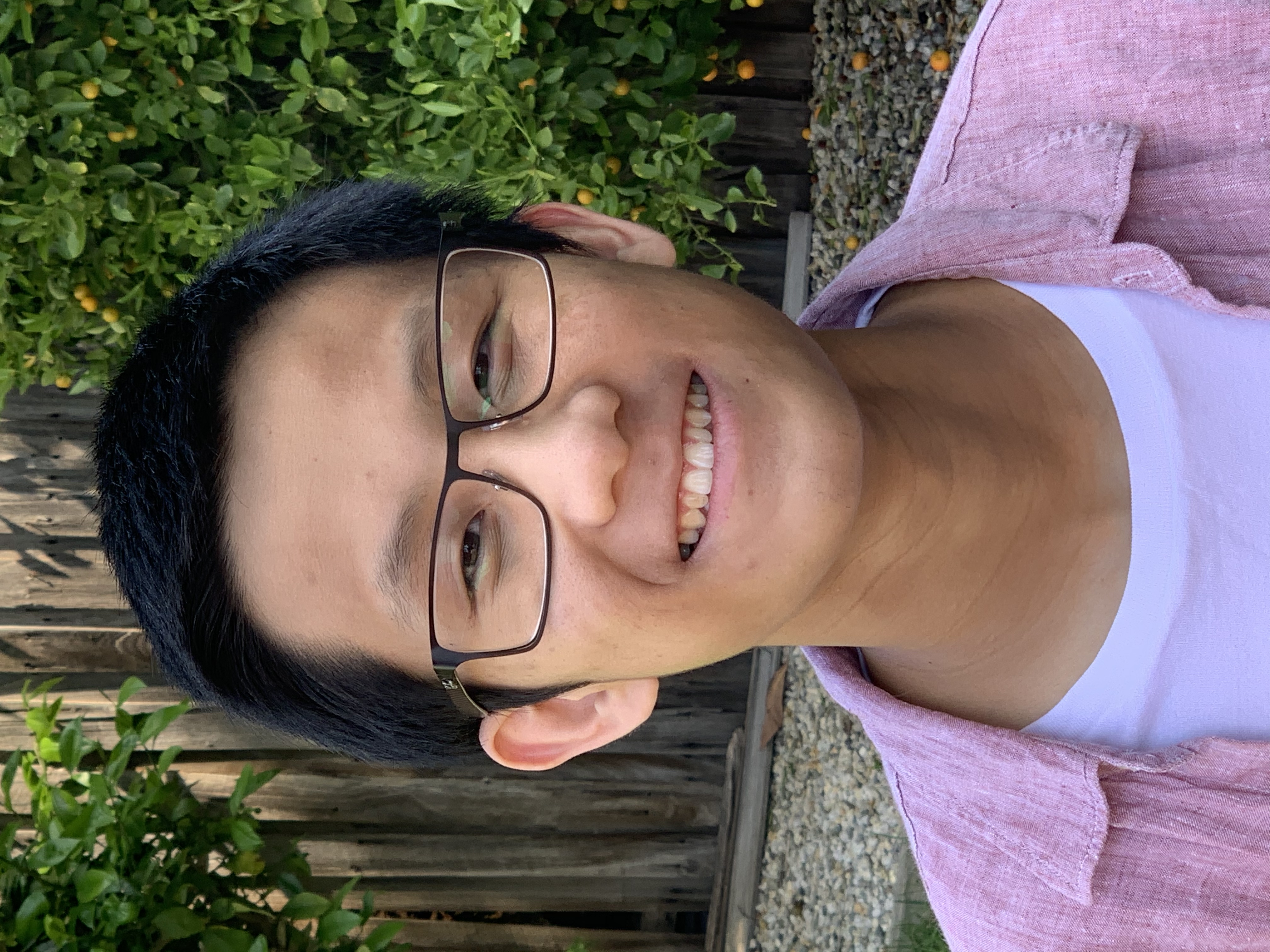
Figure 1: Tony Xie co-founded Subtle Asian Traits in 2018. Photo courtesy of Tony Xie.
The group of nine who created SAT are now in their teens and early twenties. They continue to lead the group along with 45 admins and moderators who manage SAT.
Tony Xie was a 17-year old high school student when he co-founded Subtle Asian Traits. Xie now admins the group while also pursuing a bachelor of science at the University of Melbourne. Zoe Imansjah, a chemical engineering student at the University of California, Santa Barbara, was not involved in the group’s founding, but was added to the group by a friend two months in and eventually became an admin.
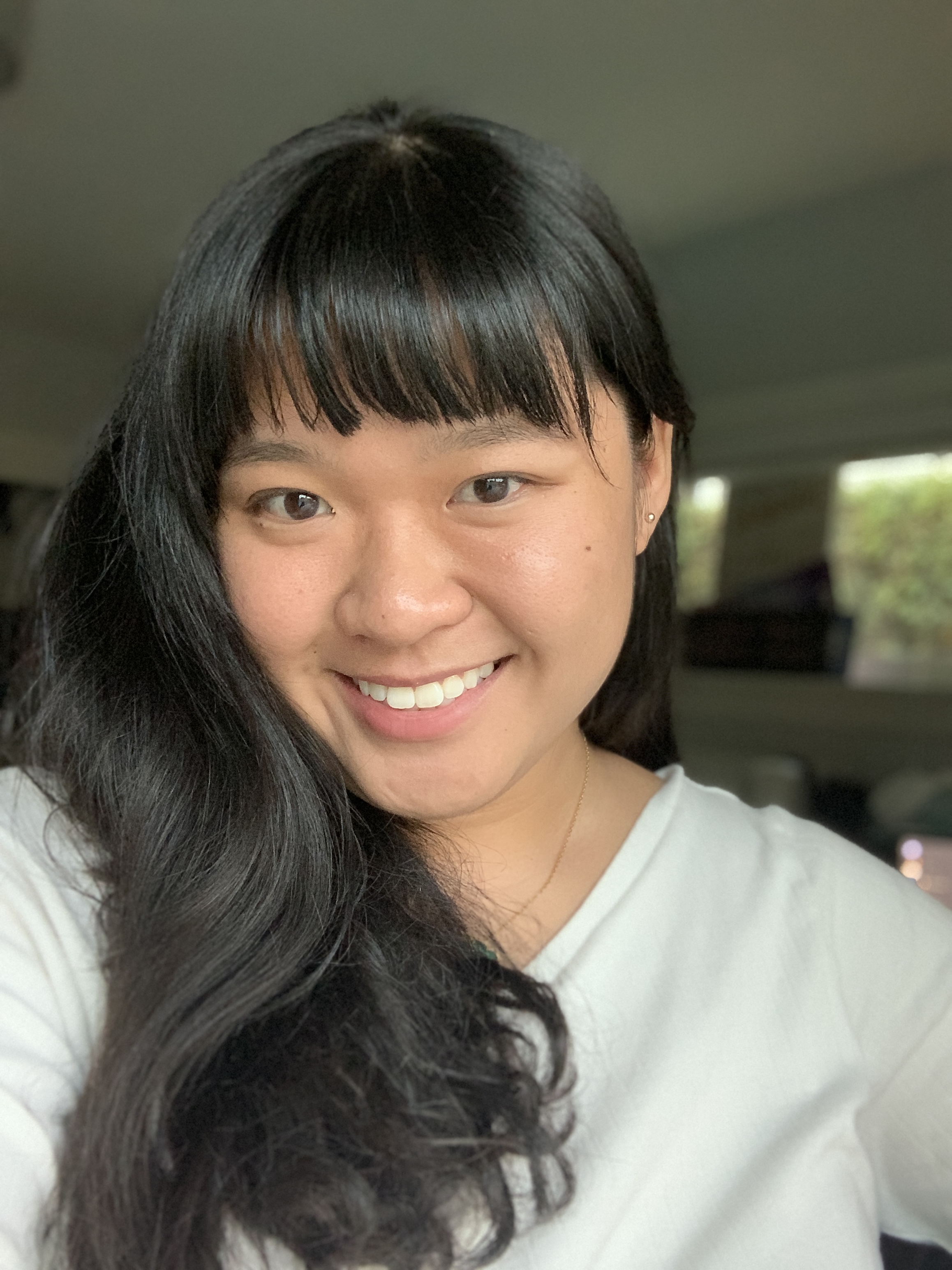
Figure 2: University student Zoe Imansjah is part of SAT’s leadership team. Photo courtesy of Zoe Imansjah.
As membership expanded, the admin team chose the most active members who they felt had a genuine interest in helping to run the community as moderators. Imansjah says the group avoided recruiting moderators who they felt just wanted to be involved with the group for “clout,” namely to advance their own status on social media. Some moderators were chosen through an open application process, while the leadership team invited others to join them.
Subtle Asian Traits disallows spam and promotions, reposts, or unoriginal, off-topic or low-quality content in an effort to encourage high-quality postings. Even with a team of 45, approving each post is a significant workload for the moderation team. At times, up to 48,000 posts, many of which are repeats of the same meme or joke, have been in the queue awaiting approval. “There have been instances where I have literally spent the entire day just deleting the same post link over and over again after letting one through,” Imansjah told us. To deal with the volume of post requests, the moderation team must decide whether to accept or reject a post in only a few seconds. They also issue automated responses to explain to members why their posts were not approved. Facebook also worked with SAT to test a “bulk action” tool (which allows moderators to decline multiple post requests at once and provide pre-written feedback about why the posts were rejected), which the company says had helped the group to significantly reduce the amount of time the group’s moderators need to spend processing posts.
To prevent harassment, the group does not allow posts that target individuals. For instance, a post encouraging members to dox someone (meaning to release a person's personally-identifying information) would not be allowed, even if the person was thought to be racist or otherwise hostile to the community. “We don’t want to be fighting hate with hate,” Xie told us. “Nobody deserves to have 1.8 million people gang up on you.”
The 1.8 million-member group continues to grow rapidly, adding more than 10,000 members from September - October 2020. Members are mainly people in their teens and twenties who share the experience of living in a Western country as a person of Asian descent. According to the BBC, posts “often focus on Asian culture as experienced by the children of migrants. That's why most members are young people from Australia, the US, Canada and the UK, rather than those living in Asia.”
Members participate because the group provides a shared sense of identity and experience. In an article for SupChina.com, journalist Lavinia Liang interviewed co-founder Anne Gu about this shared sense of identity:
“When the number of Americans in the group first surpassed the number of Australians, there was ‘a bit of a rivalry,” Gu said. But the group has since transcended that. “We’re not Asian Australians or Americans, we’re all just Asians in a big Westernized society, all merged into one category. We have the same names, the same traditions, the same struggles,” she said.
Members turn these experiences into posts and memes, which helps members to feel connected over cultural touch points like food, language, and family. In a 2018 New York Times article, Isabella Kwai writes that members share jokes “about the traits, subtle or otherwise, that characterize … the Asian-Australian experience, from cultural clashes with parents and the sanctity of bubble milk tea, to the groan-worthy pickup lines from white men on dating apps. (Are you from Asia? Because I’m China get your number.)” Posts like these continue to make up the bulk of the content shared to the group on a daily basis.
In the past, local chapters of the group also met offline to hold events such as trivia parties and meet-ups. In-person meetings have largely been put on hold due to the COVID-19 pandemic.
In addition to its value as a source of entertainment, Subtle Asian Traits seems to help many young Asian people feel more comfortable with their own identities and heritage in non-Asian cultures. “I think the page has really brought to light the fact that we first-second generation Asians are not alone in the way that we have grown up in a white society,” explains co-founder Lydia Jiang in an interview with Vice. Likewise, in the New York Times, Isabella Kwai writes that, “The endless stream of memes in the ‘Subtle Asian Traits’ group provides relief — it’s a chance to belong for once without having to try.”
Tony Xie sees the vegetable picture sharing case as an example of how the group facilitates connections over common cultural experiences. “It was really nice to see the whole community go bond over that little thing which, if you posted it in another place, might not generate the same reaction,” Xie told us. "There are a lot of really wholesome and lighthearted posts, but our group also has come to be a place where people share stories about challenges they face balancing Asian and Western cultures.”
In this vein, Subtle Asian Traits has also inspired many unaffiliated spin-off groups tailored to other identities, such as Subtle Asian Mental Health, Subtle Queer Asian Christian Traits, Subtle Asian Fitness, Subtle Curry Traits (for members of the South Asian community), and many others. Many of these spin-off communities provide a space for members not of East Asian descent, whom some critics argue are not well-represented in SAT.
Subtle Asian Traits faced significant challenges responding to the influx of political content across Facebook Groups that followed the police killing of George Floyd in May 2020, which also coincided with a resurgence of pro-democracy protests in Hong Kong.
The moderation team held an emergency three-hour meeting to discuss their approach for handling political discussion, a topic which was not previously allowed in the group. “As a community with quite a significant influence we knew that we definitely had to say something about what was happening, and be a resource on what we could do,” Zoe Imansjah tells us, referring to the Black Lives Matter protests in the US. The moderators had to balance this sense of necessity with the risk of driving away members who used the group for respite and would be turned away by potentially polarizing content.
The moderators decided to post a megathread (a central thread for long discussions about a single topic) to aggregate discussions and resources about BLM. Xie and Imansjah say that it was a very stressful time for the moderation team, as they worked to verify every post to the megathread to avoid spreading fake news, and to combat harassment. “There was a mob mentality, where one person would say something and others would just pile on,” Xie explains. Some members criticized the group for “silencing” those who felt their comments were being buried in the megathread. SAT eventually began allowing a few discussion posts for each topic to keep the discussion reasonably centralized. “That decision kind of set a precedent to how we would handle future situations like this,” Xie says.
When asked about the unpaid time they invest leading Subtle Asian Traits, the admins say that, even though they spend a lot of time contributing to the group and driving users to the Facebook platform, they have a good relationship with the company and are willing to continue working on a volunteer basis. “I'm definitely one of those people that likes to create communities, even if it's with my own time, if I feel that I'm contributing to something that is greater than myself,” Imansjah says.
Subtle Asian Traits is making an effort to become more inclusive for non-East Asian members of the community, such as people of South Asian descent. According to an article published by the BBC, group co-founder Anne Gu says the administrators have since prioritised including more diverse content. Likewise, Imansjah and Xie report that the group is attempting to increase the diversity of its moderation and membership, in terms of ethnicity as well as factors such as occupation and age. “It's important to have those external viewpoints to make sure that we are respectfully addressing certain topics,” Imansjah says.
The group is also looking into backup platforms to use if someday they are no longer able to operate on Facebook, whose rules afford the company the unilateral right to terminate a group. “The worst case scenario would be if Facebook just decided to shut our group down, because maybe the discussions got way too heated,” Xie says. “That’s terrifying for us because if we lose our group, we lose almost two years of content, of stories of our community members; it's like a little piece of history that just gets wiped away.” As such, the group is looking into blogging platforms and other social media platforms such as Instagram (which is also owned by Facebook) to keep the community together in case their group is shut down.
As of October 2020
https://www.subtleasiantraits.com/index.html
